
Corridor read
How to Draw an Orange Tabby Cat
Learn to draw a charming Orange Tabby Cat with easy-to-follow instructions and a helpful video tutorial. By following these simple steps, anyone—including beginners—can create a cute and accurate orange tabby cat illustration.
Logan Drew
Temple note
Layer tip
The full corridor digest continues below along soft meter ticks.
Path
Temple Corridor
Learn to draw a charming Orange Tabby Cat with easy-to-follow instructions and a helpful video tutorial. By following these simple steps, anyone—including beginners—can create a cute and accurate orange tabby cat illustration.
Step-by-Step Guide to Drawing an Orange Tabby Cat
Step 1: Start with the Face
Begin by sketching the cat’s face. Use soft curved lines to outline the upper eyelids and the triangular corners of the eyes. Draw large, rounded shapes overlapping these lines and fill in the narrow oval-shaped pupils.
Next, add the nose using gentle curves, then draw a small “W”-shaped mouth and define the lower lip.
Step 2: Outline the Head and Ears
Use flowing lines to shape the cheeks and top of the head. Sketch the ears with jagged lines to show the tufts of fur at the tips and around the ear openings. Add three small dots on each side of the nose to indicate whiskers.
Step 3: Draw the Neck and Body
Extend curved lines from each side of the head to form the cat’s neck and torso.
Step 4: Add the First Foreleg
Draw the cat’s front leg with a combination of smooth and jagged lines to show tufts of fur at the joints and paw. Use curved lines to indicate individual toes.
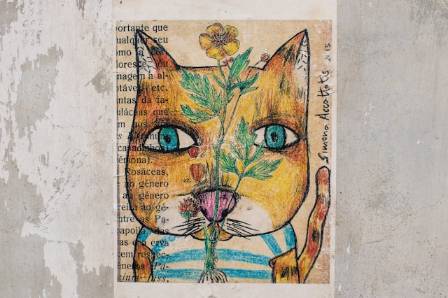
Step 5: Draw the Second Foreleg
Repeat the process for the other front leg. Use curved lines with subtle jagged points for fur detail. Don’t forget to add the toes and extra fur lines along the neck.
Step 6: Sketch the Rear Leg
Outline the cat’s back leg using a curved line for the haunches and another for the paw. Add curves to define the toes.
Step 7: Complete the Back Leg and Tail
Draw the remaining back leg with overlapping curved lines and add the paw. Then, extend gentle, parallel curved lines from the hip, bringing them to a soft point to form the tail.
Step 8: Add Stripes and Fur Details
Decorate the tail and sides with stripes using paired lines or jagged shapes. Add short curved lines near the tail tip and front paws to show subtle color transitions.
Step 9: Finish the Cat’s Outline
Add extra stripes to the face, hips, and sides to complete the orange tabby’s characteristic markings.
Step 10: Color Your Cat
Color your cartoon tabby. Orange tabbies typically have a base of orange with darker stripes. Some may have a sandy or yellowish tint, with white accents on the nose, neck, paws, or tail tip.
By following these steps, you can create a lively and adorable orange tabby cat drawing that captures the playful charm of this beloved feline.
More along this corridor
MID · en
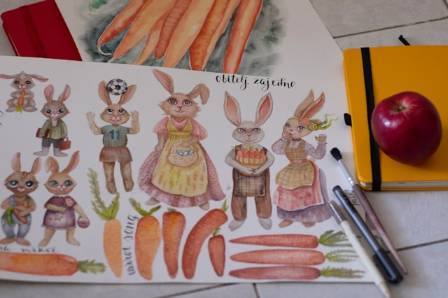
Cute Rabbits to Draw
There’s nothing quite as heartwarming as watching your pet rabbit—the twitching little nose, ears perked up with curiosity, and that adorable way they curl into a tiny loaf of fluff. Capturing that personality on paper is a wonderful way to celebrate your furry companion, and the great news is, you don’t need professional skills to start.
MID · en

Roses: The Timeless Symbol of Beauty and Love
Without question, roses reign supreme as the ultimate “it” flower. Throughout the ages, no other bloom has been more universally admired, cherished, and celebrated. Their presence spans centuries and continents, carrying with them a reputation for elegance, passion, and poetic beauty. Whether captured in a master painter’s brushstrokes, woven into the verses of romantic poetry, showcased in haute couture fashion, or serving as the centerpiece in exquisite floral arrangements, roses appear everywhere—captivating the senses with their delicate fragrance, soft petals, and breathtaking colors. And what unites these countless appearances? Love and romance, of course! They are the flowers of choice for declarations of affection, anniversaries, and grand gestures, speaking a universal language that needs no translation.
MID · en

Is Paper Cutting an Art or Craft? - A Comprehensive Guide
Paper cutting, a meticulous and time-honored practice that blends precision with creativity, has sparked a centuries-old debate: is it an art, a craft, or an exquisite fusion of both? This delicate form of expression involves shaping paper into intricate designs—from simple silhouettes to elaborate 3D compositions—using nothing more than basic tools or advanced technology. It straddles the line between artistic expression and practical creation, captivating enthusiasts worldwide with its accessibility and depth. Whether adorning a festival altar, hanging in a gallery, or serving as a personal memento, paper cutting defies rigid categorization, inviting us to explore its multifaceted nature beyond traditional definitions of art and craft.
MID · en

Zhangjiajie Forest Park Guide: Hunan’s Must-See Nature
The Zhangjiajie Forest Park is located in Wulingyuan District, Zhangjiajie City, Hunan Province, specifically along Jinbian Road No. 279. The protected area covers approximately 48.1 square kilometers, also described as about 5,000 hectares.
MID · en
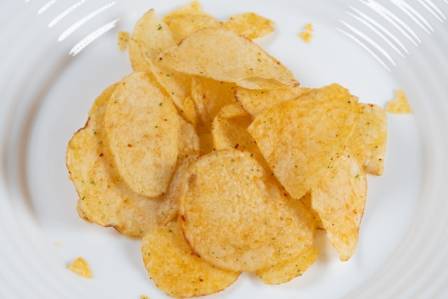
Homestyle Potato Chips
Making potato chips from scratch is simple, enjoyable, and incredibly rewarding. Once you taste these freshly fried chips, it's hard to go back to store-bought versions. A food processor equipped with a slicing blade can make preparation much easier, although a mandoline slicer works equally well for achieving thin, even slices. Feel free to adjust the thickness to suit your preference—some people enjoy extra-thin chips, while others prefer a slightly thicker crunch.
MID · en
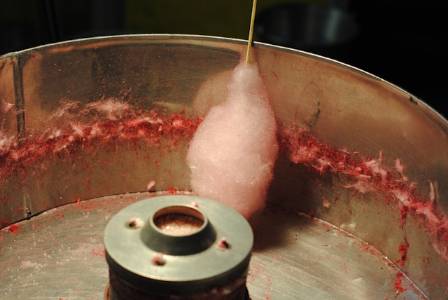
The Evolution of Cotton Candy: From Circus Treat to Cultural Icon
Cotton candy, a fluffy, sugary delight beloved by young and old alike, has undergone a remarkable transformation over the past century—evolving from a simple circus novelty to a globally recognized cultural icon. What began as "fairy floss" at the 1904 St. Louis World’s Fair has since captured hearts across continents, adapting to changing tastes, technological advancements, and cultural traditions while retaining its core essence of joy and nostalgia. From its whimsical origins to its modern gourmet reinventions, cotton candy’s journey reflects not just the evolution of a confection but also the ways in which simple pleasures can become deeply woven into the fabric of shared human experiences. Today, it stands as more than just a sweet treat; it is a symbol of celebration, childhood wonder, and creative innovation, with a rich history that continues to unfold in fairs, festivals, and culinary scenes around the world.