
Corridor read
Half a Dozen Intriguing Truths Regarding Waterfowl in the Outer Banks
The Outer Banks serves as one of the premier avian refuges in the United States, providing a sanctuary for a vast array of birds. Whether these creatures reside there throughout the year or merely visit during the colder months, the diverse species of waterfowl found in this region offer endless fascination. From unique physiological adaptations to surprising behavioral traits, here are several compelling facts about the birds that inhabit these coastal shores.
Derek Whitfield
Temple note
Layer tip
The full corridor digest continues below along soft meter ticks.
Path
Temple Corridor
The Outer Banks serves as one of the premier avian refuges in the United States, providing a sanctuary for a vast array of birds. Whether these creatures reside there throughout the year or merely visit during the colder months, the diverse species of waterfowl found in this region offer endless fascination. From unique physiological adaptations to surprising behavioral traits, here are several compelling facts about the birds that inhabit these coastal shores.
The Specialized Anatomy of the Ibis
The Ibis possesses a remarkable ability to forage deep within mud and sand without obstructing its airway. This is made possible by the unique placement of its nostrils, which are situated at the very top of the beak near the head. This anatomical feature functions much like a snorkel, allowing the bird to breathe freely even while its bill is submerged in thick, wet residue. While these elegant birds are common sights in the Outer Banks, they are found globally in almost every region except for the South Pacific.
The Grooming Habits of the Great Blue Heron
The Great Blue Heron is known for its majestic appearance, but its frayed chest feathers serve a practical purpose beyond aesthetics. These specialized feathers act as a built-in cleaning tool. The heron utilizes its chest to wipe away debris from its beak after hunting for fish or preening its wings. A powdery coating on these frayed ends helps the bird maintain its sleek, photogenic look, ensuring it remains one of the most distinguished-looking hunters in the marsh.
Survival Adaptations of the Herring Gull
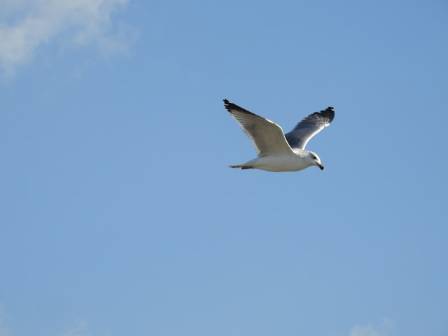
Commonly seen patrolling the coast, the Herring Gull is believed to have derived its name from its preferred prey, the herring fish. Beyond its diet, this gull possesses a sophisticated biological filtration system. To survive in an environment where fresh water is scarce, it is capable of consuming seawater. Specialized glands within its body excrete the excess salt, allowing the bird to stay hydrated while living on the ocean's edge.
The Incredible Velocity of the Merganser
In the world of aquatic birds, the Merganser is the undisputed speed champion. These ducks are capable of reaching flight speeds of up to 80 miles per hour, making them the fastest flyers in their category. In the Outer Banks, the Red-Breasted Merganser is a frequent winter guest, arriving in November and staying through April. They are easily identified by the distinct, unruly crest of feathers located on the back of their heads.
Historical Aliases of the Black Skimmer
The Black Skimmer is a bird that has captured the imagination of Americans for centuries, resulting in an impressive collection of colorful nicknames. Throughout history, this species has been referred to by monikers such as the Seadog, Scissor-Bill, Stormgull, and Razorbill. These names reflect the bird's unique appearance and striking hunting style, where it "skims" the water's surface with its lower mandible to catch fish.
Distinguishing the Franklin’s Gull from the Laughing Gull
Visitors to the Outer Banks are likely well-acquainted with the Laughing Gull, famous for its distinct, cackling call and dark-headed plumage. However, it has a very similar relative known as the Franklin’s Gull, which is typically found further inland near lakes in the Midwest and Southwest. While they look nearly identical at first glance, a keen observer can tell them apart by their coloring: the Franklin’s Gull displays a soft rose-colored tint on its chest, a feature the Laughing Gull lacks.
More along this corridor
MID · en
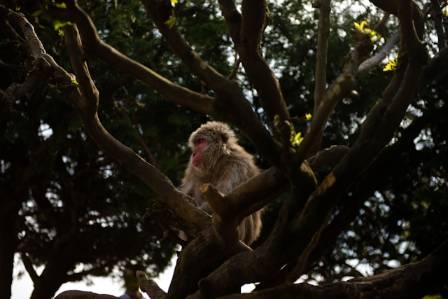
The Most Imperiled Neighbors: The Plight of the Long-Tailed Macaque
In the tangled mangroves and bustling human-altered landscapes of Southeast Asia, an intelligent and adaptable primate is facing a silent crisis. The long-tailed macaque, a creature once common at the edges of villages and deep within forests, is now navigating a path toward extinction. Recently classified as Endangered, their story is a complex tale of coexistence, conflict, and the profound consequences of human activity on the natural world.
MID · en

Seven Stunning Coastal Roads Around the World
There is something unforgettable about being close to the ocean, especially when the journey itself becomes part of the adventure. Whether you are enjoying a smooth ride in a luxury SUV or experiencing the freedom of driving a convertible with the roof down, coastal roads offer some of the most spectacular scenery on the planet. From dramatic cliffs and endless sea views to winding routes through unforgettable landscapes, these seven coastal drives are perfect sources of inspiration for your next road trip.
MID · en

The World’s Largest Football Stadiums by Seating Capacity
Before modern stadium regulations introduced all-seater policies, football venues around the globe often held staggering numbers of standing spectators. One of the most remarkable instances was the 1950 FIFA World Cup final between Brazil and Uruguay, when nearly 200,000 fans packed into Rio de Janeiro’s iconic Estadio Maracanã. Though its current capacity is limited to 78,838 seated attendees, it once stood as a symbol of football’s global passion. Today, however, numerous other stadiums surpass it in terms of seating capacity. Here’s a look at the ten largest football stadiums in the world today — and some of them might surprise you.
MID · en
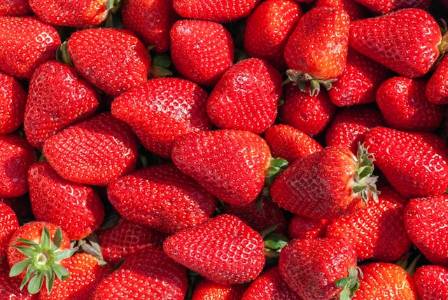
Strawberry Nutrition Facts and Health Benefits
Strawberries are beloved for their sweet aroma, juicy texture, and vibrant red hue, making them one of the most popular fruits worldwide. Beyond their delicious taste, they are nutrient-dense, packed with fiber, vitamins, minerals, and antioxidants—all while being naturally low in calories and fat. Whether enjoyed fresh, frozen, or incorporated into meals and snacks, strawberries seamlessly fit into a balanced, healthy lifestyle, offering a range of wellness benefits supported by nutritional science.
MID · en

Tennis Might Just Be the Best Sport in the World
Every May, two important observances take place: National Tennis Month and Mental Health Awareness Month. Together, they provide the perfect opportunity to celebrate a sport that offers far more than entertainment. Tennis is not only exciting to play but also delivers remarkable physical, mental, and social benefits that can positively impact every aspect of life.
MID · en

World’s Most Stunning Grasslands: A Visual Journey
Grasslands, with their vast stretches of green, diverse wildlife, and unique ecological rhythms, are some of the most captivating landscapes on Earth. From the rolling hills of North America to the fertile plains of Europe, these regions not only showcase natural beauty but also play a crucial role in supporting countless species and human communities. Let’s explore six of the world’s most breathtaking grasslands, each with its own distinct charm and story.