Corridor read
Fascinating Facts About One of America’s Favorite Birds
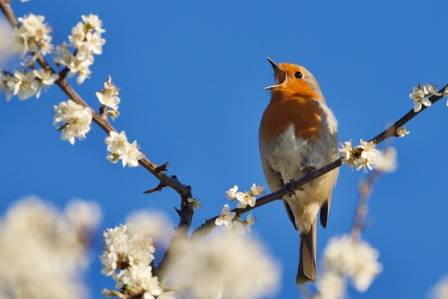
The American Robin (Turdus migratorius) is one of the most familiar birds in North America. Its reddish-orange breast makes it particularly easy to identify, even for people who are new to birdwatching. These birds are generally comfortable around people and are frequently found building nests and searching for food in urban and suburban areas.
Stella Knox
Temple note
Layer tip
The full corridor digest continues below along soft meter ticks.
Path
Temple Corridor
The American Robin (Turdus migratorius) is one of the most familiar birds in North America. Its reddish-orange breast makes it particularly easy to identify, even for people who are new to birdwatching. These birds are generally comfortable around people and are frequently found building nests and searching for food in urban and suburban areas.
Habitat
American Robins originally bred primarily in woodland environments, but they have adapted extremely well to human-altered landscapes. Today, they can be found in residential neighborhoods, gardens, open forests and farmland. Their preferred habitat provides both open areas where they can search for food and trees or shrubs that offer suitable locations for nesting and resting.
Dense evergreen trees are often preferred for nesting, although robins are highly adaptable and will make use of whatever vegetation is available. Once deciduous trees develop their leaves, these trees may also become suitable nesting locations.
As the breeding season progresses, robins may become even less selective about where they build their nests. Fences, window ledges and even sites directly on the ground can occasionally be used.
A typical robin nest consists of mud and small twigs, with the inside lined with soft, fine grasses. During winter, robins may gather in cedar swamps and boggy habitats in regions where they remain, although their presence can be difficult to notice.
American Robins are migratory birds and generally move south when winter arrives. During migration, they can gather in large numbers at communal nighttime roosts. Once they return to their breeding areas, males establish territories and compete for mates through a variety of songs and vocal displays.
Reproduction
Most male robins return to Vermont during March, usually arriving several days before the females. After a female arrives, she may begin constructing a nest approximately two weeks before she lays her eggs. The same nest may sometimes be used again for later broods.
A typical clutch contains three or four distinctive pale-blue eggs. The female incubates the eggs for approximately 11 to 14 days before they hatch.
After hatching, the young are fed with assistance from the male. The chicks generally leave the nest and begin learning to fly around nine to 16 days after emerging from their eggs.
Female robins can produce several broods during a single breeding season. In Vermont, breeding activity may continue from approximately May through September.
Diet
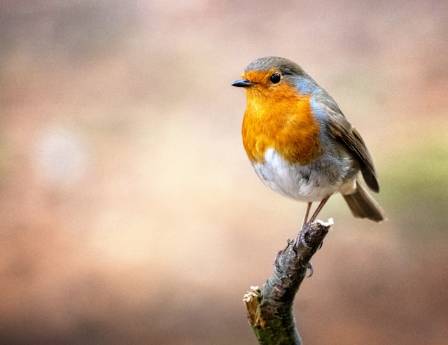
The American Robin has an omnivorous diet and consumes both plant-based and animal foods. Its animal prey includes various invertebrates, particularly earthworms, caterpillars and beetles.
However, fruits and berries make up a substantial portion of its overall diet. Robins commonly search for food while walking or running across the ground, but they also feed from trees and shrubs. They are even capable of catching insects while those insects are flying through the air.
Management
There are several simple ways to make a yard more attractive to American Robins. Since fruits and berries account for roughly 60% of their diet, planting berry-producing shrubs can create a useful natural food source.
Robins also readily consume foods such as raisins, grapes and suet. These can be provided on a platform-style feeder where the birds can easily access them.
Invertebrates, including earthworms, are another important part of the robin's diet. Homeowners can encourage these organisms by maintaining a damp section of the yard or leaving a small pile of brush that provides suitable habitat.
Status
The American Robin is widespread and familiar throughout much of the United States. In Vermont, it is primarily a summer resident and is especially common between April and October.
In certain areas, including the Champlain Valley, some robins may remain through the winter. The number that stays depends largely on whether sufficient food is available.
Robin populations generally become less abundant as elevation increases, so they are more commonly encountered at lower elevations than in higher mountain areas.
More along this corridor
MID · en

The Best Places to See the New York City Skyline
The New York skyline is among the most recognizable urban views anywhere in the world, and seeing it in person is high on the list for many visitors to the Big Apple.
MID · en
Six Winter Scenes in Art
Winter in the northern hemisphere brings short days, biting winds, frosty paths, and cozy knitwear. It marks the end of one year and the beginning of another, a season of reflection and transition.
MID · en
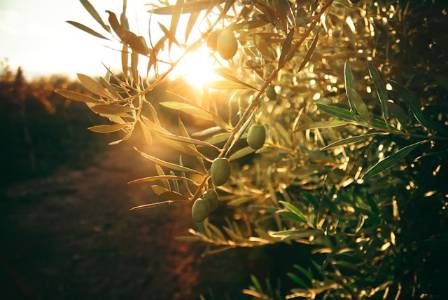
Five Renowned Varieties of Olive Oil
While many olive oil containers do not specify the fruit used during production, some manufacturers provide this information. Identifying the primary types of olives utilized in oil extraction is a vital step toward selecting the perfect product for specific culinary applications and personal preferences.
MID · en

How do smartphone cameras work?
The first camera-equipped cellphone reached the United States in 2002. Since then, smartphone manufacturers have competed to improve the quality and capabilities of mobile cameras. When smartphones became mainstream around 2008 and social media rapidly expanded, having a capable phone camera became increasingly important for people who wanted to capture and share everyday moments.
MID · en

Crafting Nostalgia: A Guide to Homemade Frosted Animal Cookies
Recreating a childhood classic at home is a rewarding way to enjoy a beloved snack while maintaining full control over the ingredients. These miniature sugar cookies, modeled after various animals, are dipped in a smooth, colorful glaze and finished with a generous dusting of nonpareil sprinkles. This homemade version captures the whimsical spirit of the original store-bought treats, making them a perfect addition to celebrations, seasonal gatherings, or simply as a playful afternoon snack.
MID · en

Golden Hours: 7 Cities That Paint the Sky With Breathtaking Sunsets
Few natural spectacles rival the magic of a stunning sunset, when the sky transforms into a canvas of fiery oranges, soft pinks, and deep purples. Across the globe, certain cities are blessed with the perfect conditions to create these unforgettable moments. Whether it’s the reflection over water, silhouettes of iconic landmarks, or unique atmospheric conditions, these destinations offer some of the most breathtaking sunset views in the world.