Corridor read
Getting to Know the Black-Tailed Prairie Dog (Cynomys ludovicianus)
The black-tailed prairie dog (scientific name: Cynomys ludovicianus) is a small, charismatic rodent that plays a vital role in the prairie ecosystems of North America. Closely related to ground squirrels, this species is easily recognizable by its distinct physical traits and complex social behavior. From their bustling “towns” to their role as a keystone species for predators and other wildlife, black-tailed prairie dogs are far more than just cute burrowers, they are a cornerstone of the grassland habitats they call home. Below, we’ll explore every aspect of their lives, from their appearance and behavior to their habitat, distribution, and the challenges they face in the modern world.
Jonathan Bailey
Temple note
Layer tip
The full corridor digest continues below along soft meter ticks.
Path
Temple Corridor
The black-tailed prairie dog (scientific name: Cynomys ludovicianus) is a small, charismatic rodent that plays a vital role in the prairie ecosystems of North America. Closely related to ground squirrels, this species is easily recognizable by its distinct physical traits and complex social behavior. From their bustling “towns” to their role as a keystone species for predators and other wildlife, black-tailed prairie dogs are far more than just cute burrowers, they are a cornerstone of the grassland habitats they call home. Below, we’ll explore every aspect of their lives, from their appearance and behavior to their habitat, distribution, and the challenges they face in the modern world.
Description
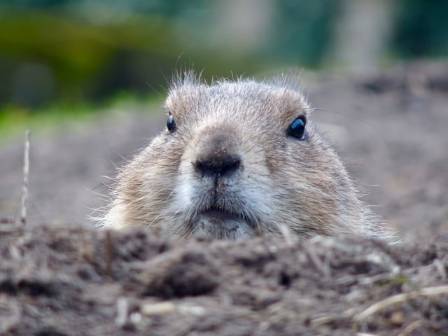
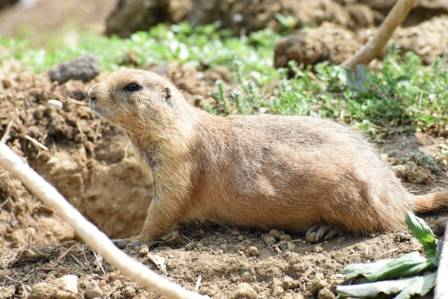
As a close relative of the ground squirrel, the black-tailed prairie dog is a stocky, heavy-bodied rodent most notable for its short, black-tipped tail—a feature that sets it apart from other prairie dog species. It has large, round eyes that help it detect predators from a distance, and its tail is relatively short compared to its body size. The prairie dog’s fur is a warm brownish-tan color, which blends seamlessly with the dry grasslands of its native habitat, providing a natural form of camouflage against both predators and the harsh prairie sun. This fur not only offers protection but also helps regulate body temperature, keeping the animal cool during hot days and insulated on cooler mornings.
Life History
Black-tailed prairie dogs are indispensable to the prairie ecosystem, acting as a critical link in the food chain and a provider of shelter for other species. They serve as a primary food source for a wide range of predators, including coyotes, badgers, golden eagles, and even the endangered black-footed ferret. Additionally, the abandoned burrows they leave behind become valuable homes for creatures like burrowing owls, Texas horned lizards, rabbits, hares, and even rattlesnakes—turning the prairie dog’s underground networks into a shared resource for the entire ecosystem.
Social Structure
These rodents are highly social animals, living in large, organized groups known as “prairie dog towns.” These towns can vary dramatically in size, ranging from just one acre to over 1,000 acres—large enough to support thousands of individuals. To manage such large communities, prairie dog towns are divided into smaller units called “wards,” which function similarly to counties within a state. Each ward is further split into tight-knit social groups known as “coteries.” A typical coterie consists of one adult male, one to four adult females, and their offspring under two years of age. Movement between different wards is rare, as coteries are territorial and maintain strong family bonds.
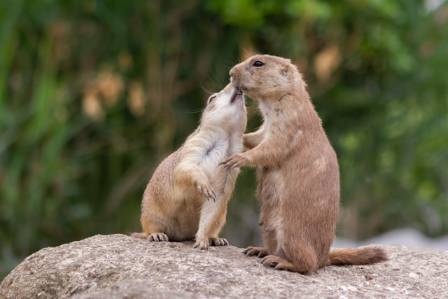
One of the most endearing social behaviors of prairie dogs is their unique greeting ritual: when family members meet, they bare their teeth and press their mouths together in a gesture that looks like a “kiss.” This behavior isn’t just a display of affection, it’s a way to recognize fellow coterie members, reinforcing social bonds and preventing conflicts with strangers.
Daily Habits
Black-tailed prairie dogs are strictly diurnal, meaning they are active only during the day. They are most busy during the cooler hours—early morning and late afternoon when the prairie heat is less intense. During these times, they engage in a range of social activities: visiting neighboring coterie members, grooming each other to maintain fur health and social connections, and foraging for food (primarily grasses and herbs).
Safety is a top priority for prairie dogs, and they have a sophisticated warning system to protect their community. When the group is out of their burrows, one individual acts as a “sentry,” perching on the raised, volcano-like mound of dirt that surrounds each burrow entrance. From this vantage point, the sentry keeps a sharp eye out for predators or other dangers. If a threat is spotted—whether it’s a coyote approaching or a human walking nearby, the sentry lets out a loud, high-pitched bark. Upon hearing this warning, every prairie dog in the area dives into the nearest burrow and waits until the sentry gives an “all clear” call before venturing back out.
Reproduction and Lifespan
Female black-tailed prairie dogs produce just one litter per year, usually in March or April. Each litter typically has four to five young, called “pups.” The gestation period lasts 34 to 35 days, and when the pups are born, they are blind, hairless, and completely dependent on their mothers. They stay hidden in the deep, safe chambers of the burrow for the first six weeks of their lives, growing and developing until they are strong enough to emerge into the world.
Shortly after the pups start venturing outside, the family begins to disperse. Young males usually leave their birth coterie before their first breeding season (around one year of age) to find new territories and start their own coteries. In contrast, female prairie dogs often stay in their original coterie for their entire lives, helping to raise future litters and maintain the social structure.
Lifespan varies by gender: female prairie dogs can live up to eight years in the wild, while males typically have shorter lives, rarely living more than five years. This difference is likely due to the risks males face when dispersing to new areas, such as predation and competition for territory.
Habitat
Black-tailed prairie dogs are native to the short-grass prairie habitats of western North America. These grasslands are characterized by low-growing grasses, minimal tree cover, and dry, well-drained soil—ideal conditions for digging their complex burrow systems. Prairie dogs avoid areas with heavy brush or tall grass because these habitats reduce visibility, making it harder for sentries to spot predators and putting the entire community at risk. The short-grass prairies also provide an abundant food source (grasses and herbs) and allow the prairie dogs to move quickly across the ground, both to forage and escape danger.
Distribution
Historically, black-tailed prairie dogs were widespread across the western North American plains, from southern Canada down to northern Mexico. In the state of Texas, they were once common in the western portions of the state and the Panhandle region. At their peak, some prairie dog towns were massive: one famous town in Texas covered 25,000 square miles and was home to an estimated 400 million prairie dogs—making it one of the largest animal colonies ever recorded.
Today, however, the story is very different. Due to habitat loss and human activity, less than one percent of the original prairie dog population and their habitat remains. While they are still locally common in some areas, their range has shrunk dramatically, and many once-thriving towns have disappeared entirely.
Other
For the past 50 years or more, black-tailed prairie dogs have been pushed out of their native habitats by ranching and farming activities. As farmers and ranchers converted prairie lands into croplands or grazing areas for livestock, the prairie dogs’ homes were destroyed, and their numbers plummeted. It’s true that large concentrations of prairie dogs can sometimes damage cultivated crops or compete with livestock for grass, but the idea that they should be completely eliminated from rangelands is increasingly questioned.
In fact, some ranchers in Texas have noticed unintended consequences of removing prairie dogs: the undesirable spread of brush. Without prairie dogs to graze on grasses and dig up soil, invasive brush species (like mesquite) have taken over many rangelands. This brush growth is harmful to the livestock industry, as it reduces the amount of usable grass for cattle and makes grazing areas less productive. In many cases, the damage caused by this brush spread far outweighs any harm prairie dogs might have done to crops or livestock.
This realization has led to a growing understanding of the prairie dog’s value: they aren’t just pests, but vital contributors to healthy grasslands. Protecting and restoring their populations isn’t just good for the prairie dogs, it’s good for the entire ecosystem, including the ranchers and farmers who share the land with them.
More along this corridor
MID · en

How to Decorate Vase at Home
Decorating a vase at home is a fun and creative way to bring a personal touch to your living space. Whether you’re revamping an old vase or designing a brand-new one, the possibilities are limitless. With just a few supplies and a little inspiration, you can craft a beautiful centerpiece or decorative accessory that reflects your style and enhances your home’s ambiance. This guide offers simple and effective techniques for decorating a vase at home.
MID · en
Basic information & taxonomy
Common names: Western rockhopper penguin (sometimes also lumped with “southern rockhopper penguin”) Scientific name: Eudyptes chrysocome (Forster, 1781)
MID · en

Dim Sum & Street Snacks – Cantonese Eats
Few food customs embody the idea of communal enjoyment like Cantonese dim sum. Originating in the teahouses of Guangzhou and Hong Kong, dim sum combines cuisine, culture, and family into one delightful experience. Whether served in bamboo steamers at a traditional tea house or sold at bustling street stalls, these small bites have become a cherished part of Chinese cuisine and, increasingly, the global culinary scene.
MID · en

Effortless Home Makeover: Simple Interior Design Tips
The art of interior decoration involves crafting personalized spaces in residential homes and commercial establishments. This creative process encompasses the careful curation of color schemes, furniture selections, flooring materials, artwork, and accessories, all geared towards transforming an environment into an aesthetically pleasing and cost-effective haven.
MID · en
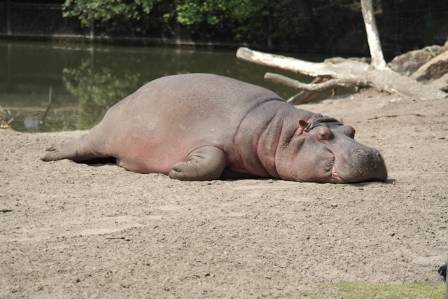
Ten Essential Facts About the Hippopotamus
These massive, heavy-bodied creatures possess an incredibly powerful bite. From their physical stature to their nocturnal habits, the following ten facts offer a deeper look into the lives of these impressive semi-aquatic mammals.
MID · en
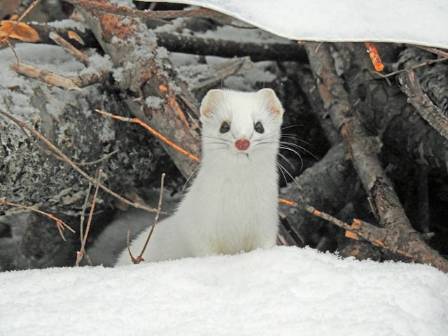
Stoat facts and control tips
Stoats, together with ferrets and weasels, were brought to New Zealand during the late nineteenth century in an attempt to reduce the rapidly growing rabbit population. Local scientists, including the well-known ornithologist Walter Buller, warned authorities about the possible consequences, but their concerns were not acted upon.